
Cyprus road signs and their meanings
The theory exam is oral and the examiner picks the signs, so learn all 145
Free · 2 minutes · no sign-up needed
Warning signs
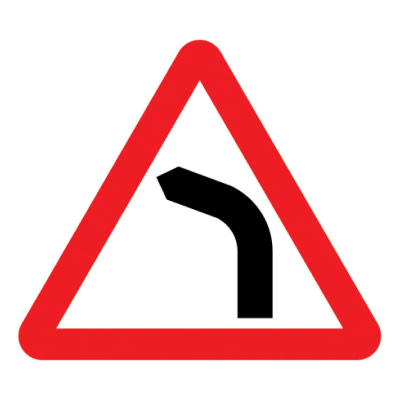
Dangerous bend
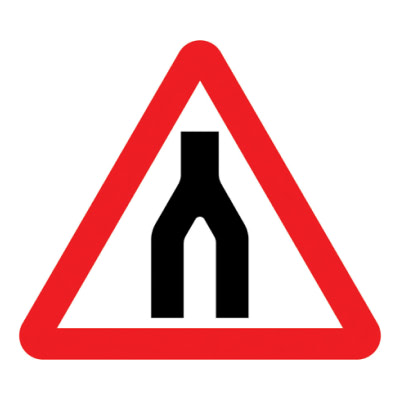
End of dual carriageway
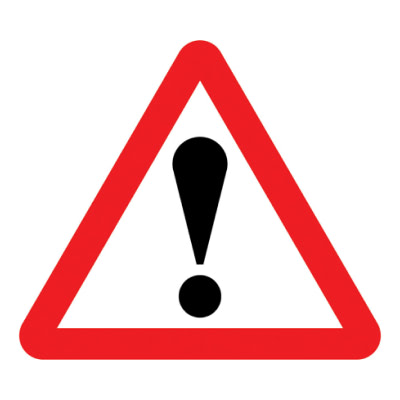
Other danger
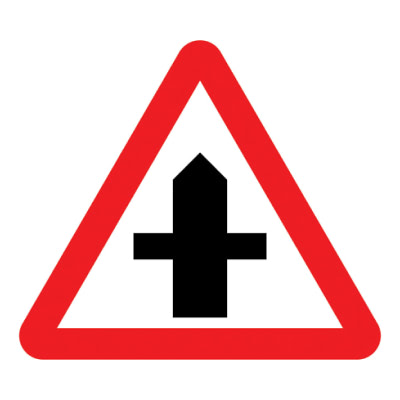
Crossroads with a secondary road
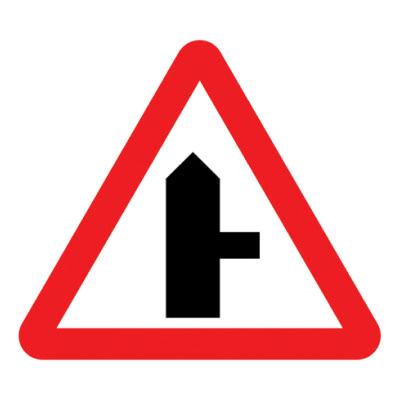
Junction with a secondary road
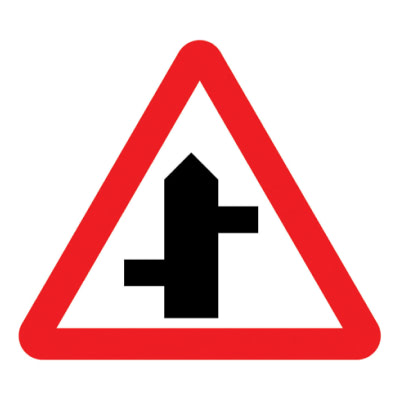
Junction with a secondary road
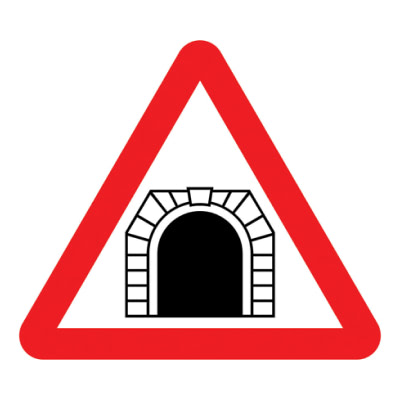
Tunnel
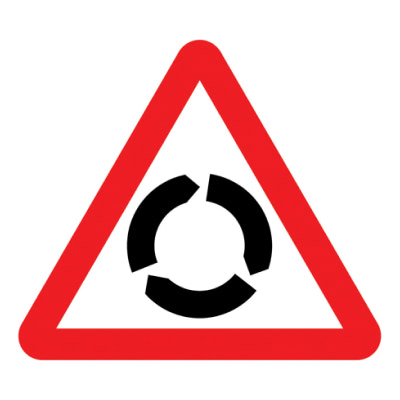
Roundabout
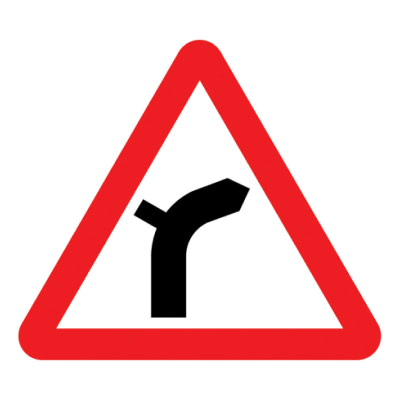
Junction on bend
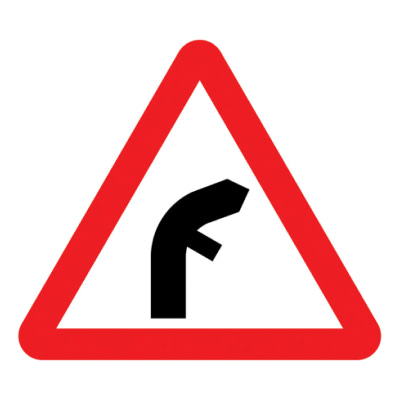
Junction on bend
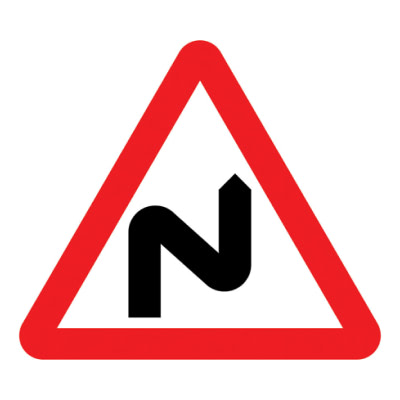
Double dangerous bend
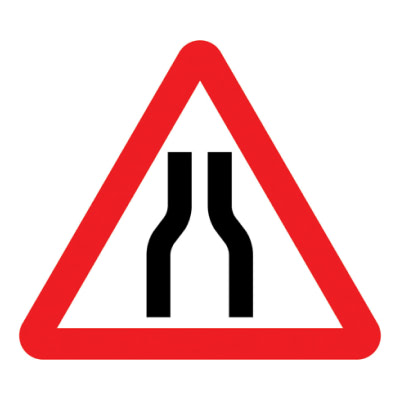
Road narrows on both sides
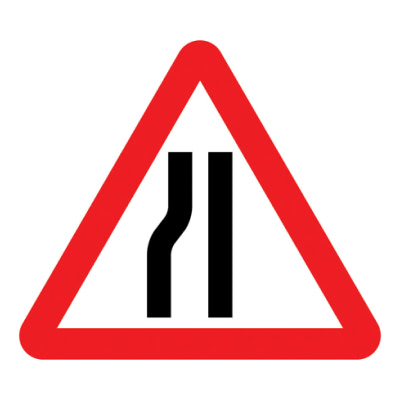
Road narrows on one side
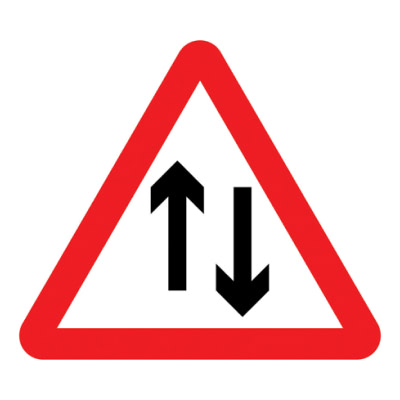
Two way traffic
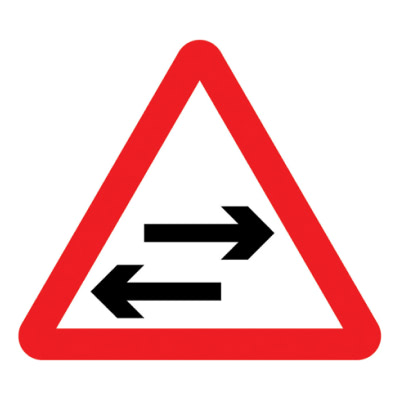
Two way traffic crosses one way road
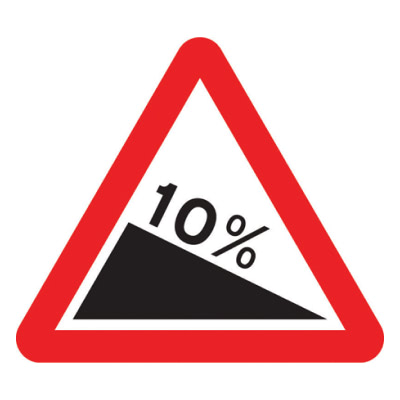
Steep descent
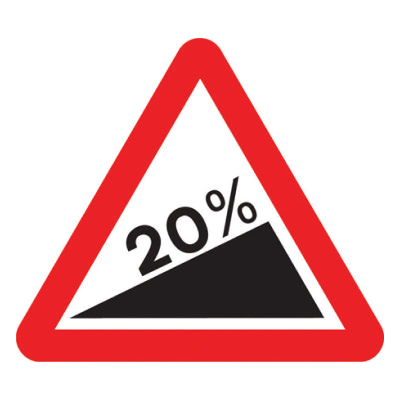
Steep ascent
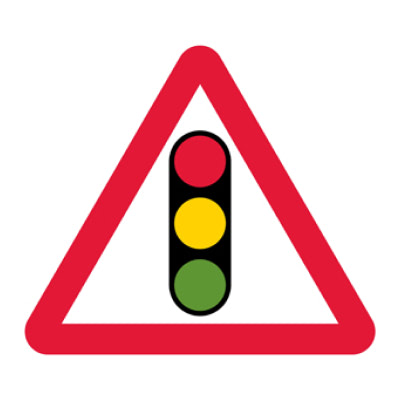
Traffic signals
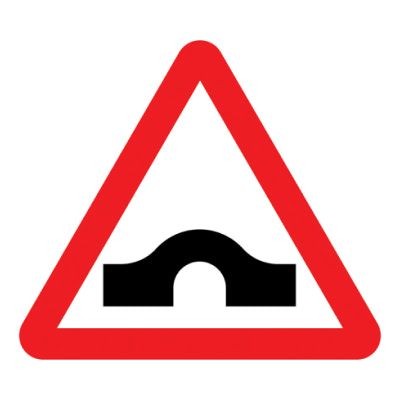
Hump bridge
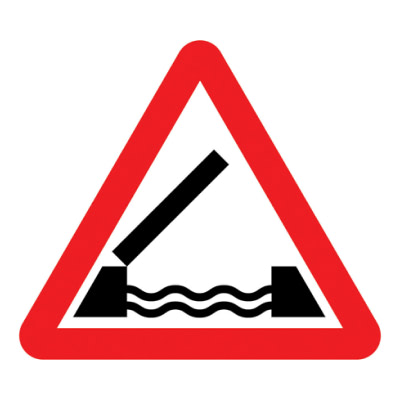
Swing bridge
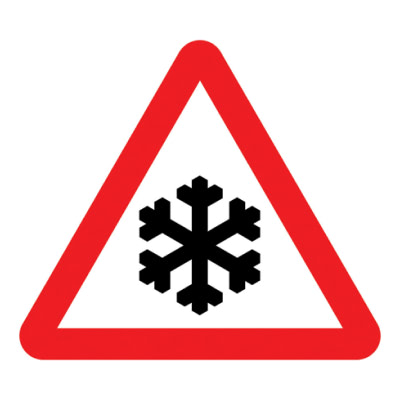
Risk of ice
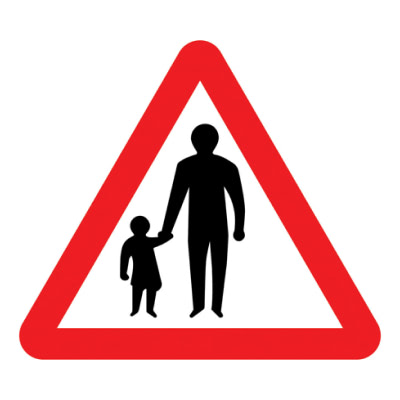
Pedestrians
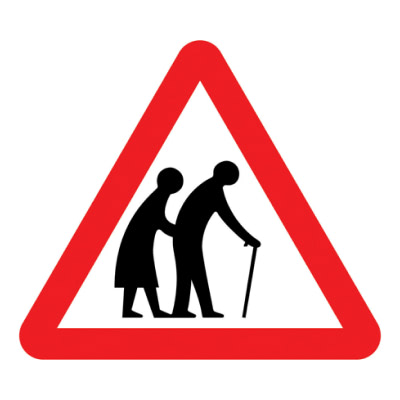
Elderly or disabled pedestrians
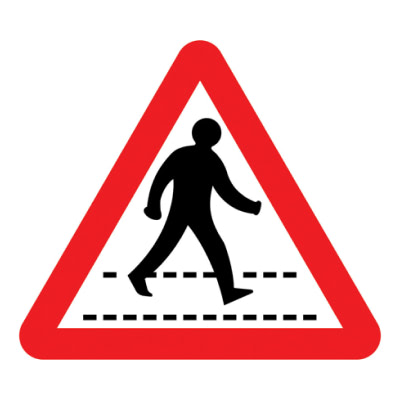
Pedestrian crossing
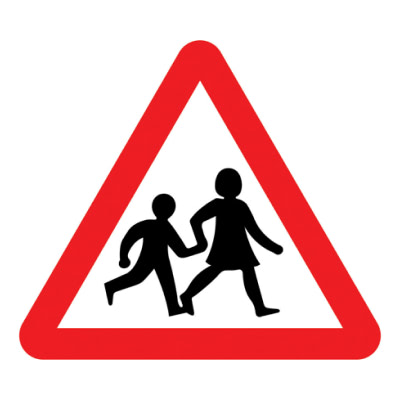
Children
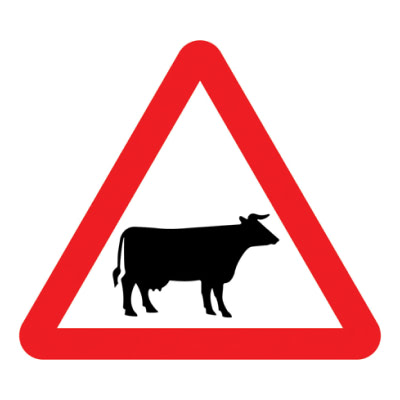
Domestic animals
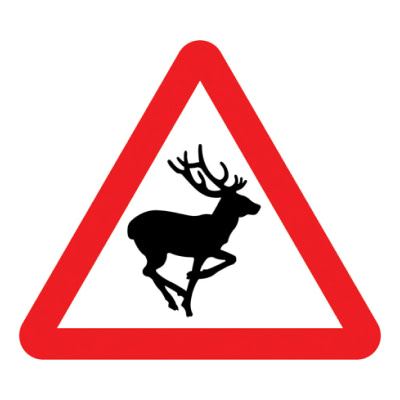
Wild animals
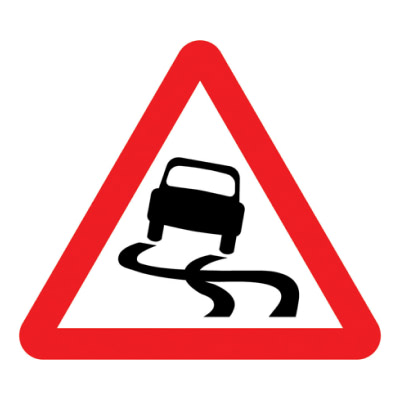
Slippery road
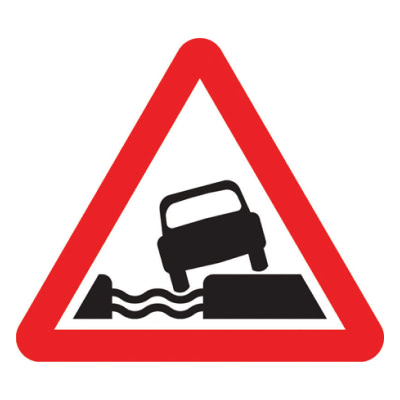
Water course alongside road
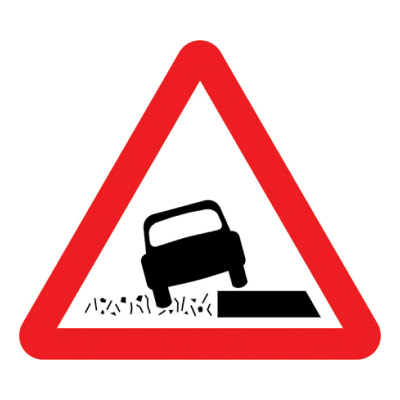
Soft verges ahead
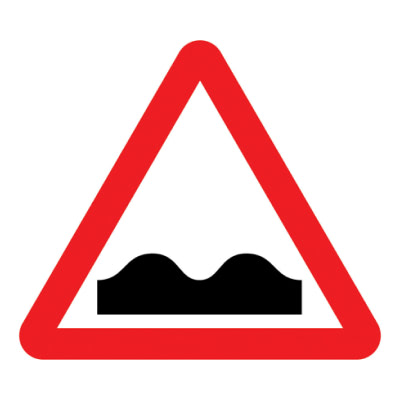
Uneven road
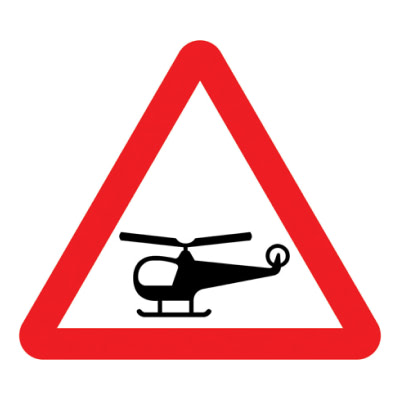
Low flying helicopters
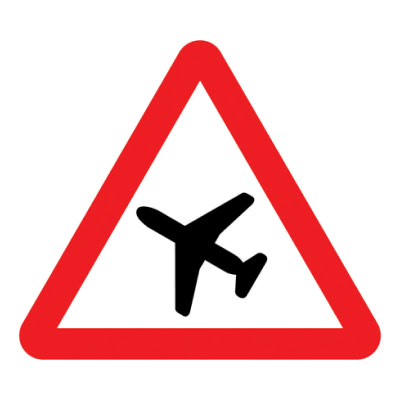
Low flying aircrafts
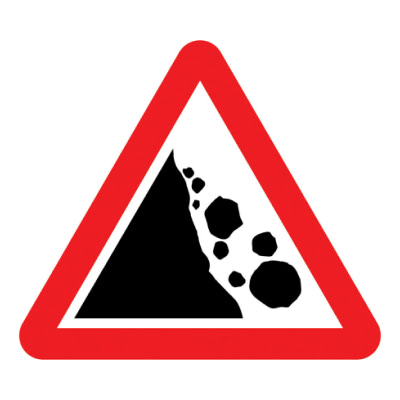
Falling rocks
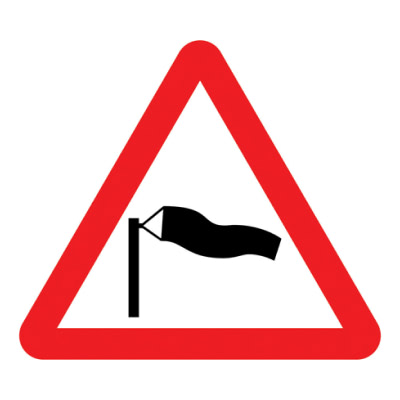
Side winds
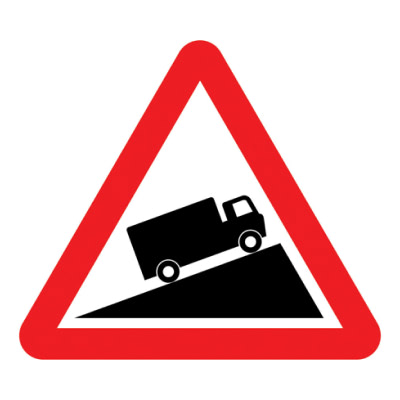
Slow moving vehicles on hill ahead
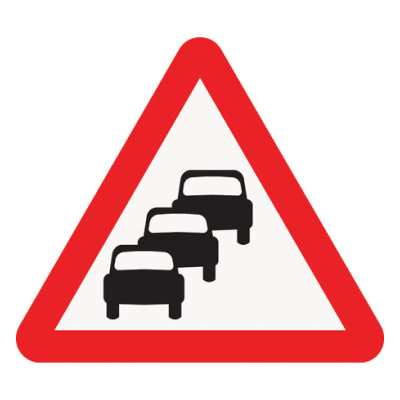
Traffic queues
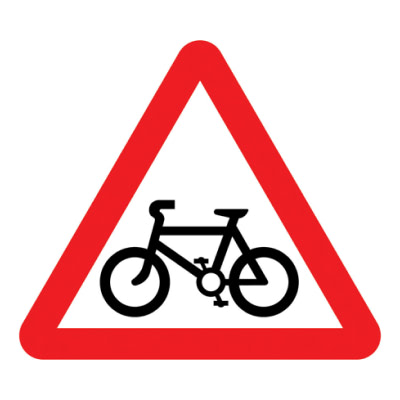
Pedal cycle route crossing the road
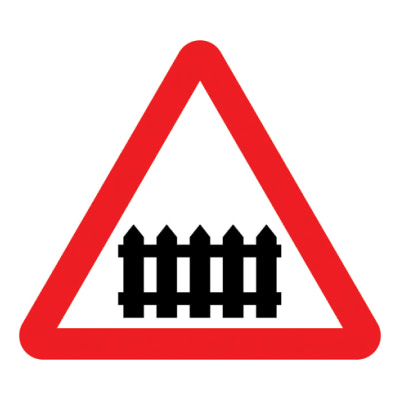
Level crossing with barriers
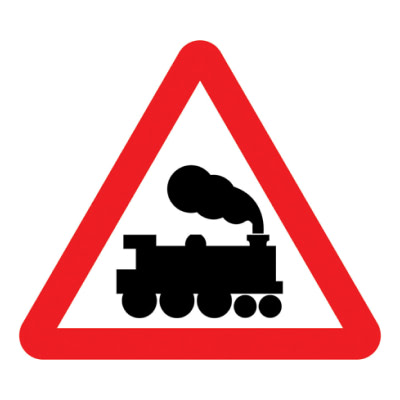
Level crossing without barrier
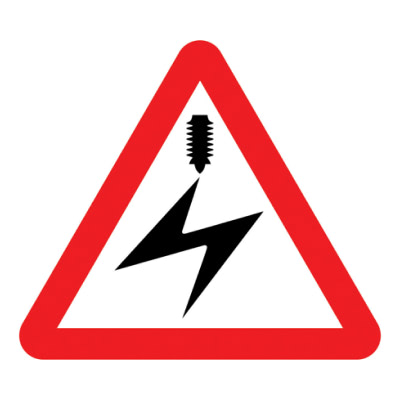
Electrified overhead cable
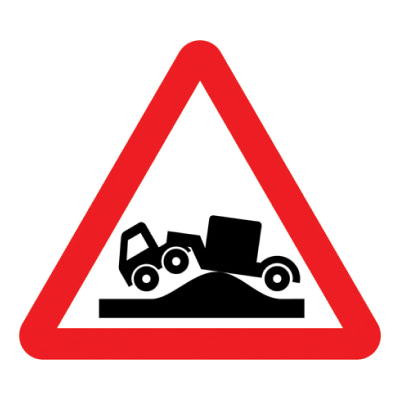
Risk of grounding
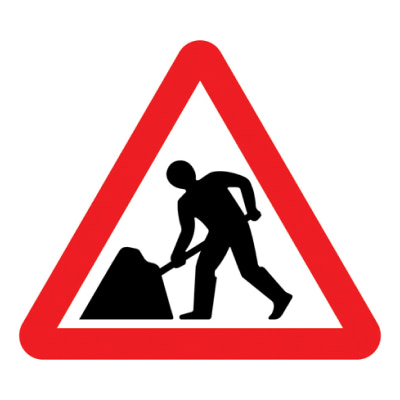
Roadworks
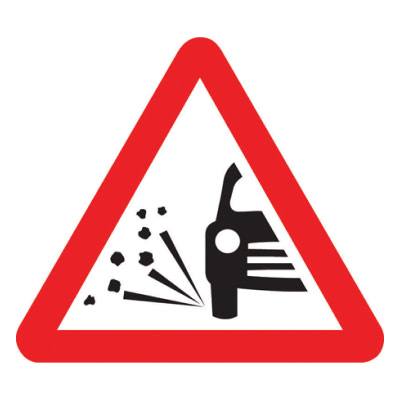
Loose road surface
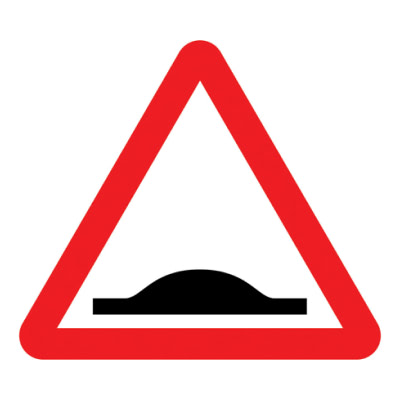
Road hump
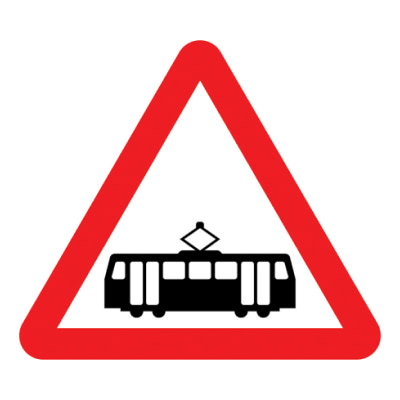
Tramway
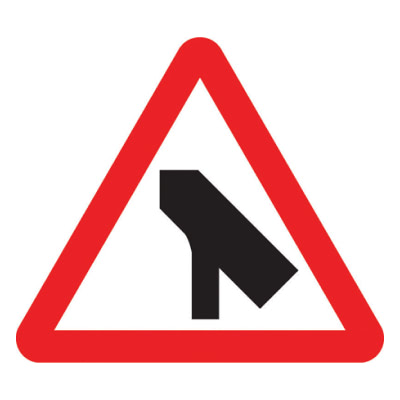
Traffic merges onto main carriageway
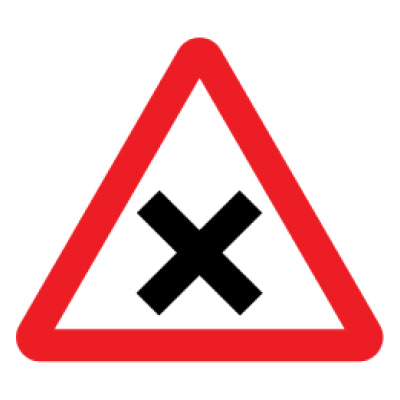
Junction with priority to the right
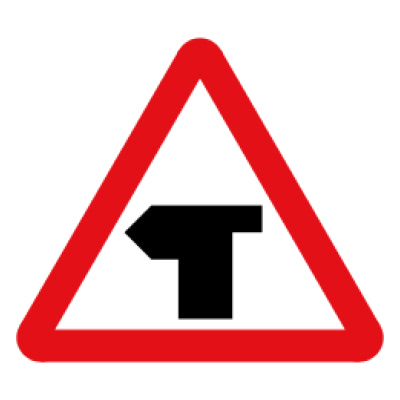
T junction
Mostly triangles with a red border that warn you about a hazard ahead, such as a bend, a junction or a crossing, so you can slow down in time
Information signs
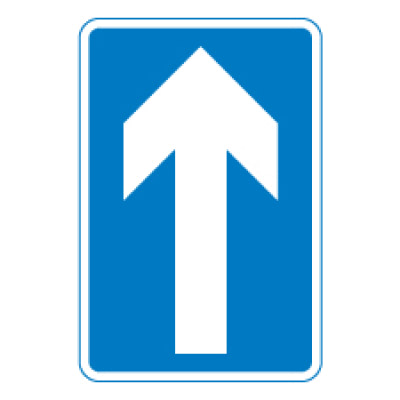
One way street
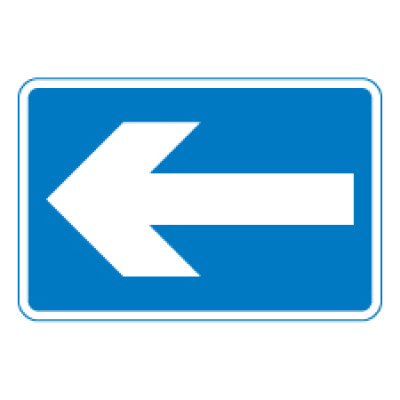
One way street
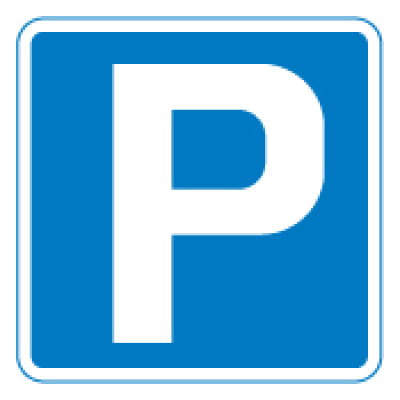
Parking
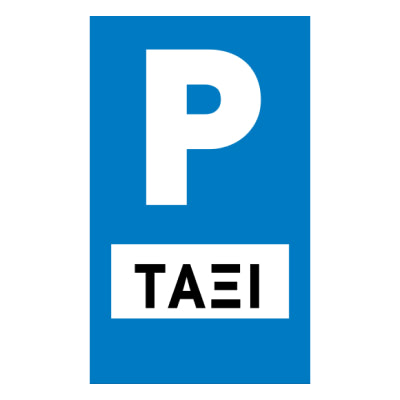
Taxi parking
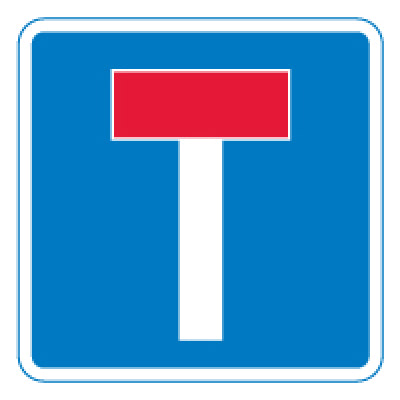
Dead end straight ahead
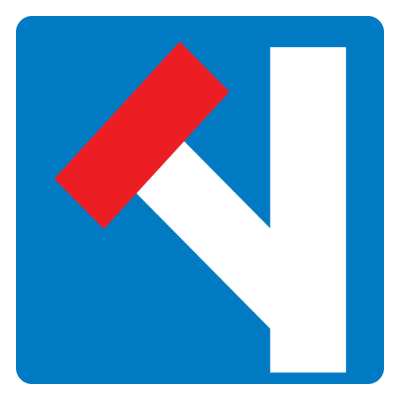
Dead end left
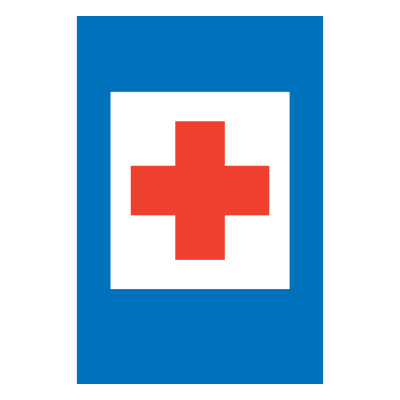
First aid
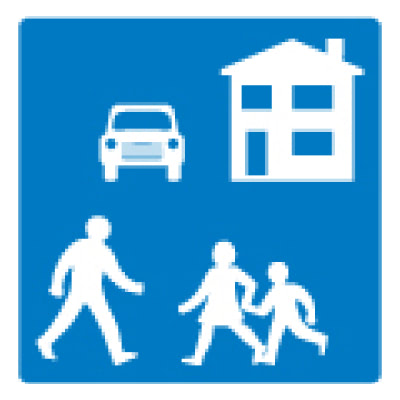
Residential area
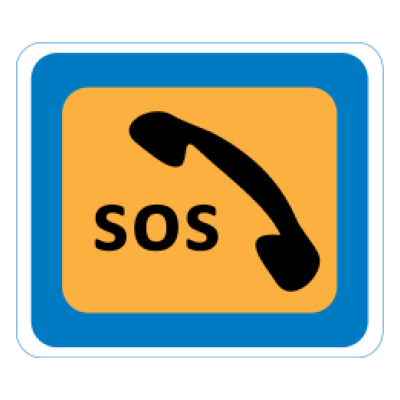
Emergency phone
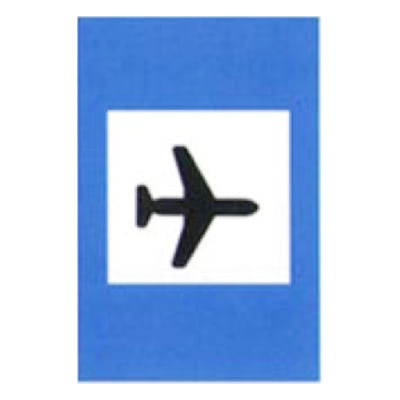
Airport
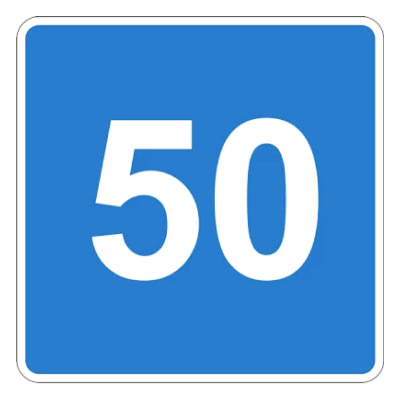
Recommended speed
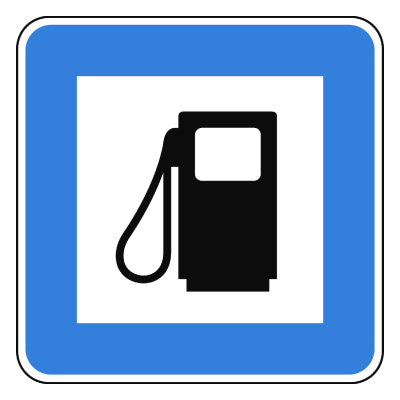
Petrol station
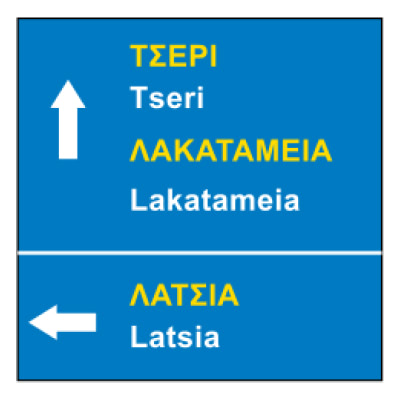
Direction sign
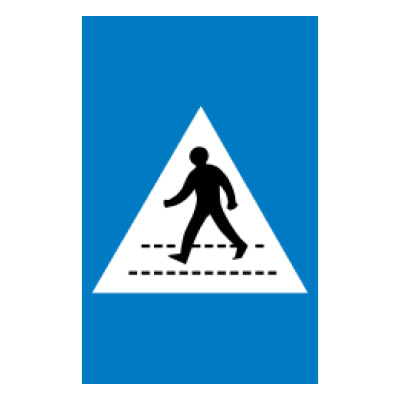
Pedestrian crossing
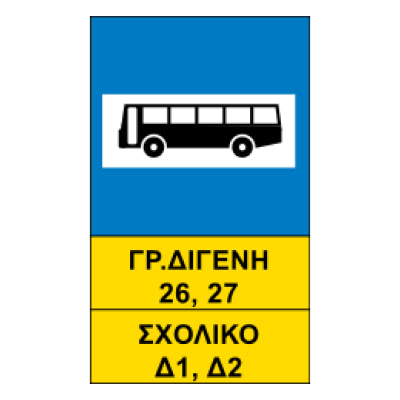
Bus stop
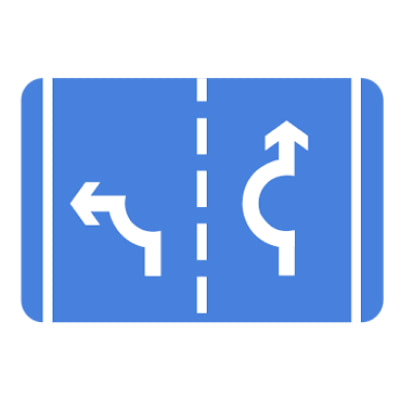
Default roundabout lane
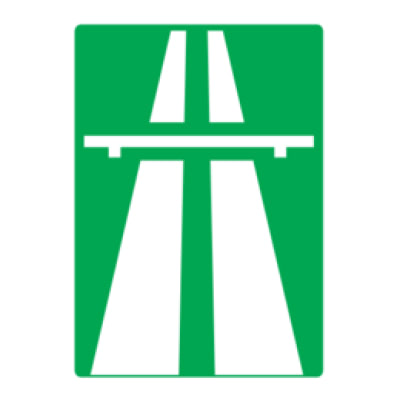
Highway
Usually blue or green rectangles that give you useful information, such as a one-way street, parking, a bus stop or a dead end
Mandatory signs
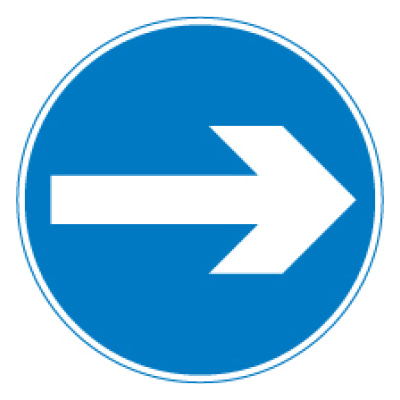
Turn right
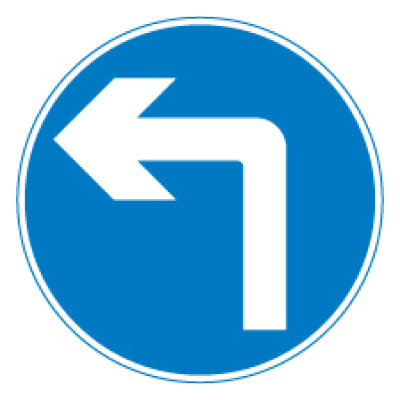
Turn left ahead
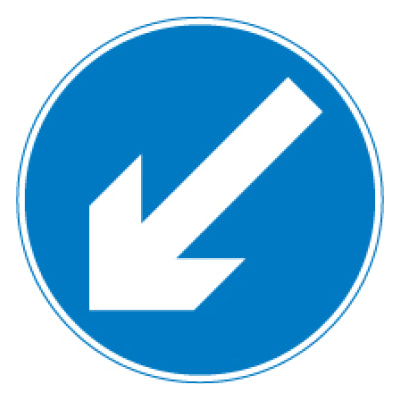
Keep left
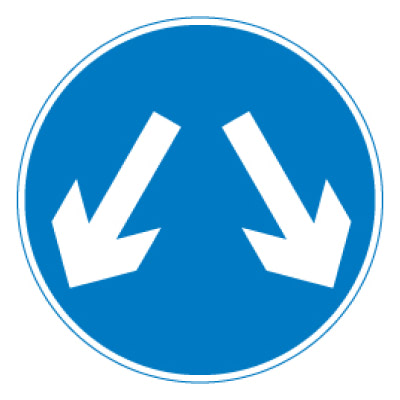
Pass on either side
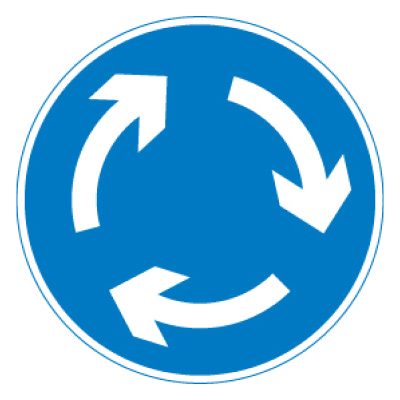
Roundabout
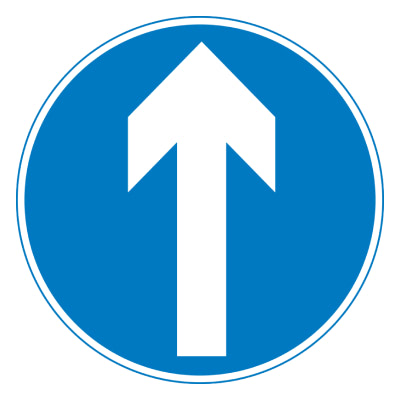
Go straight ahead only
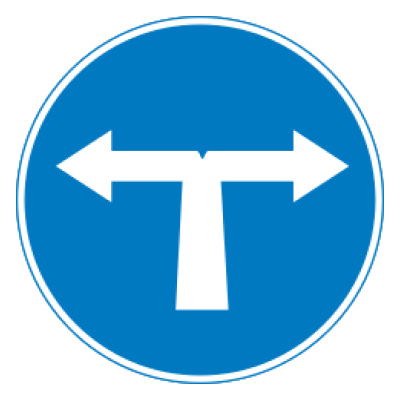
Turn left or right ahead
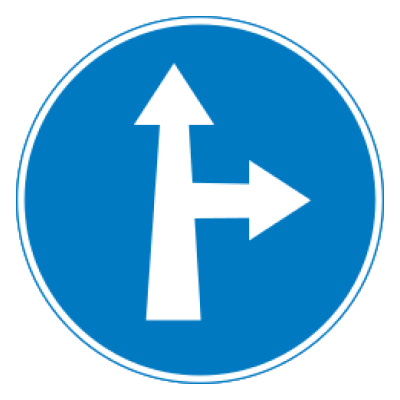
Go straight or turn right ahead
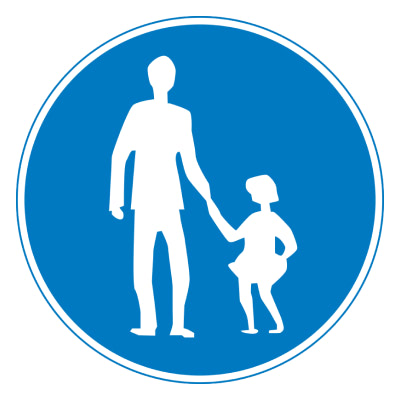
Pedestrians only
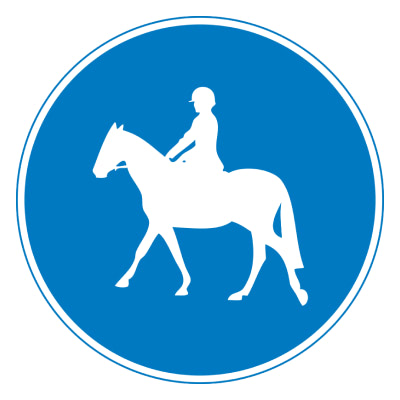
Animal riders only
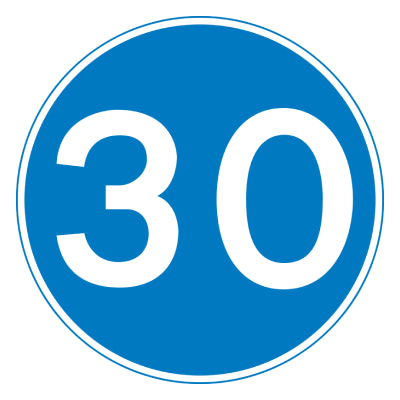
Minimum speed limit
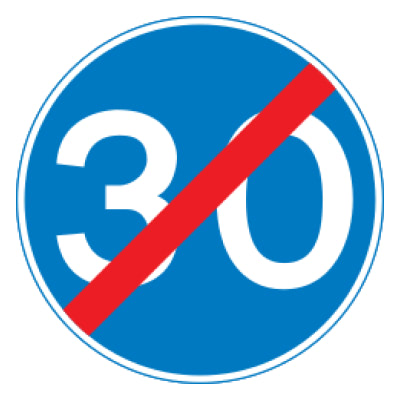
End of minimum speed limit
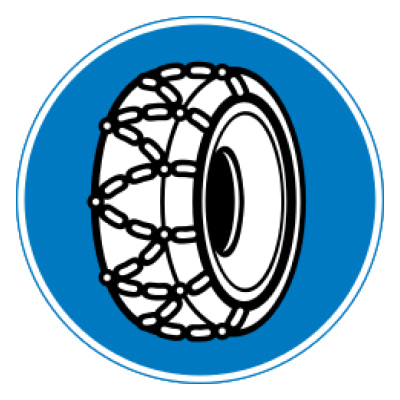
Mandatory snow chains
Mostly blue circles that tell you what you must do, such as which way to go, which side to pass or the minimum speed
Priority signs
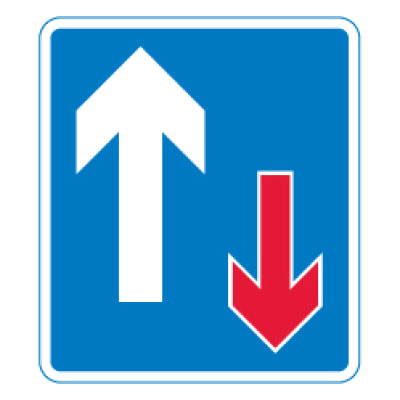
Priority to traffic from your direction
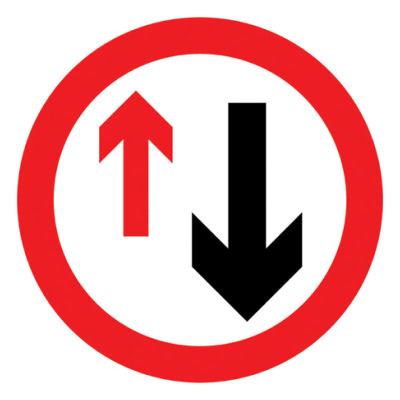
Priority to traffic from opposite direction
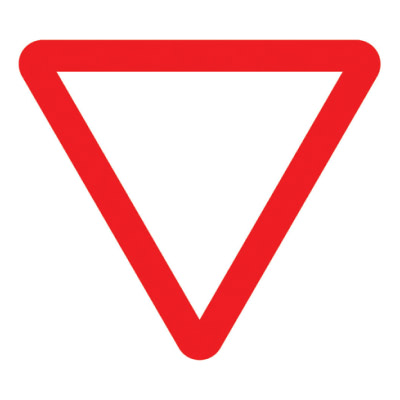
Give way
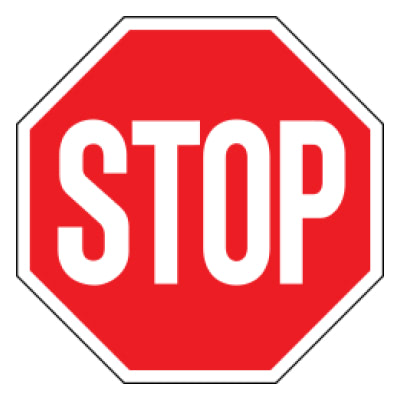
Stop
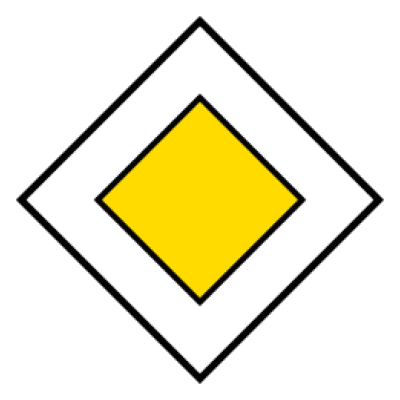
Priority road
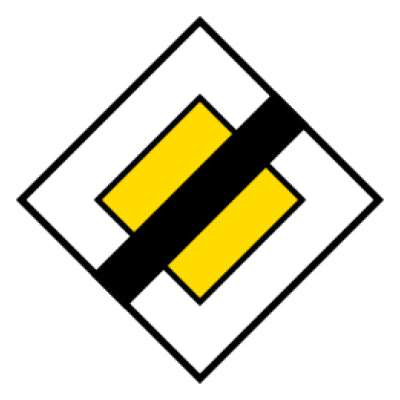
End of priority road
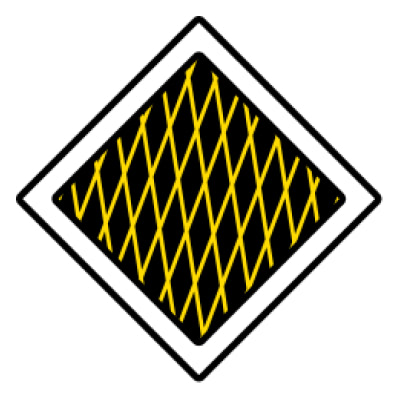
Controlled block
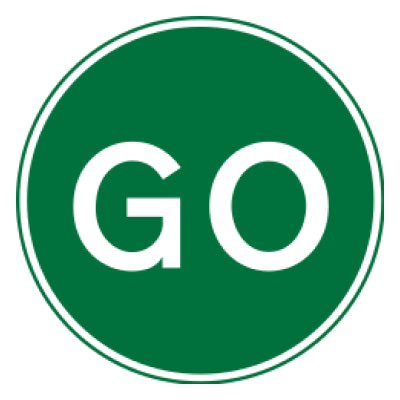
Go ahead
Signs such as Stop and Give way that tell you who goes first at junctions and on narrow roads
Prohibitory signs
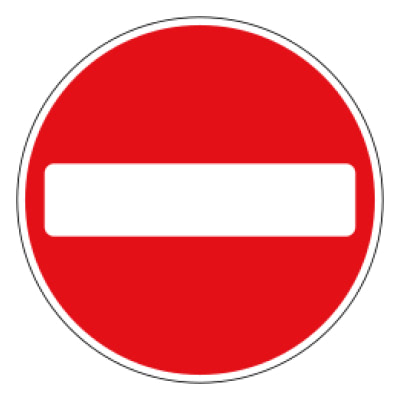
No entry
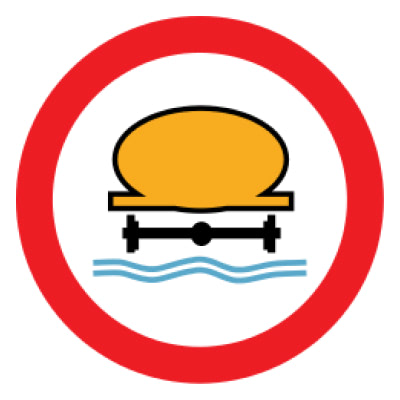
No vehicles carrying dangerous water pollutants
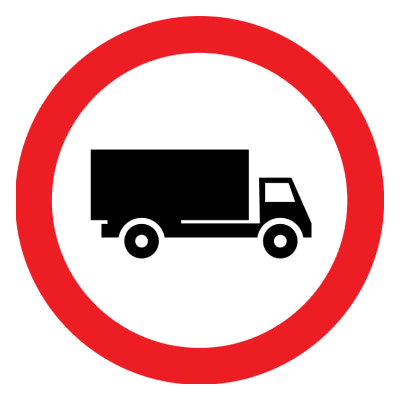
No heavy goods vehicles
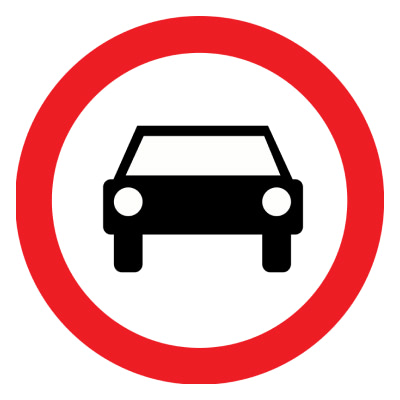
No motor vehicles except motorcycles
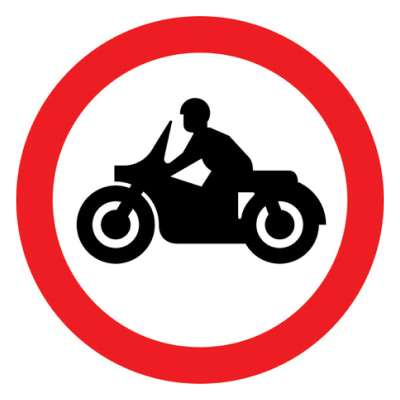
No entry for motorcycles
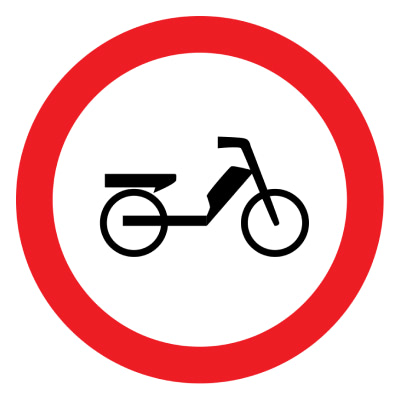
No entry for mopeds
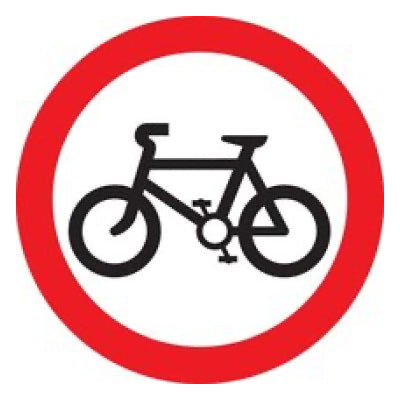
No cycling
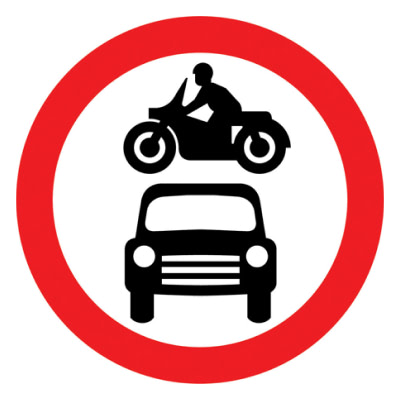
No motor vehicles
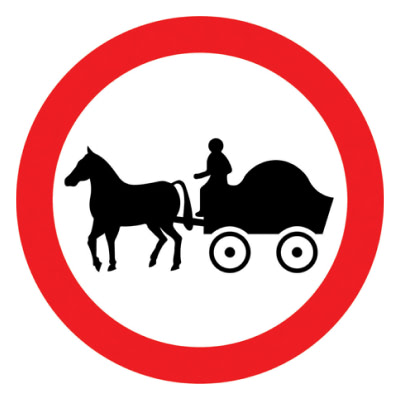
No horse drawn vehicles
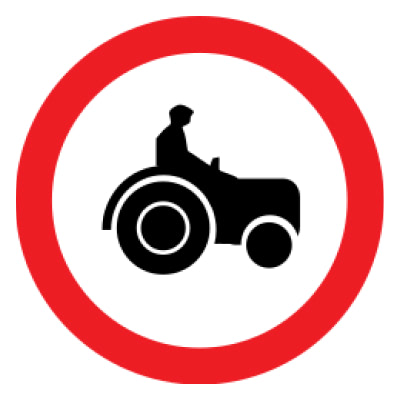
No agricle vehicles
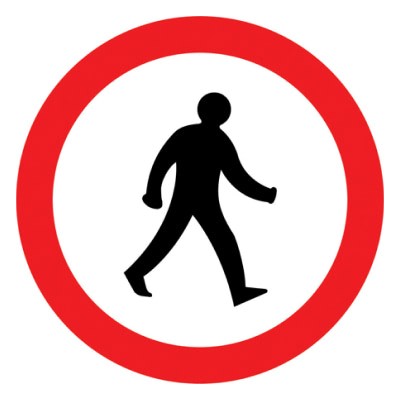
No crossing for pedestrians
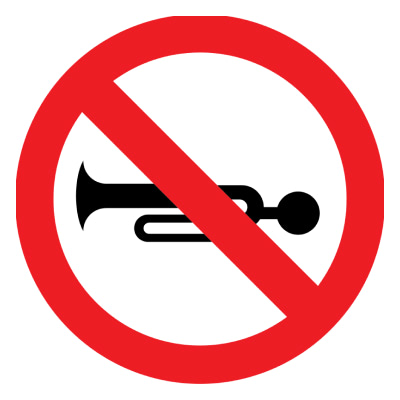
No horns
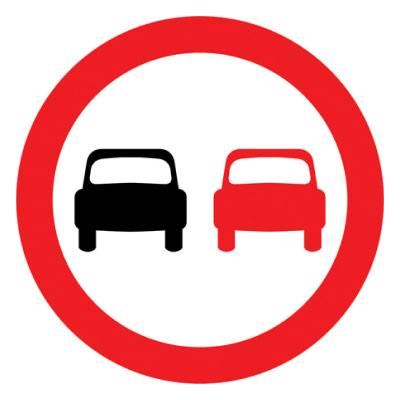
No overtaking
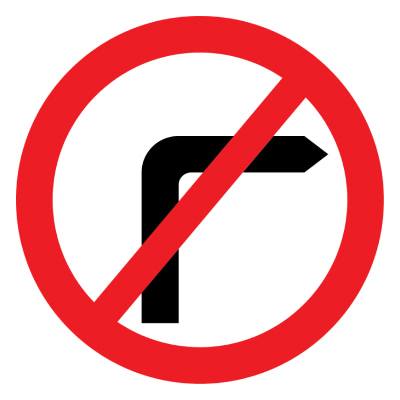
No right turn
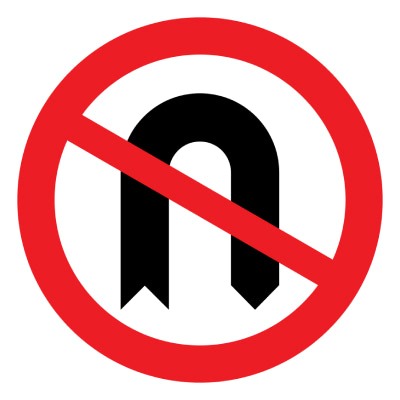
No U-turn
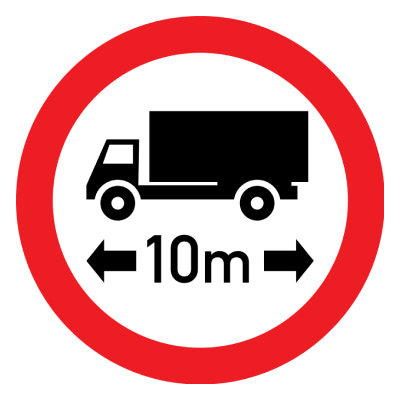
No vehicle over length shown
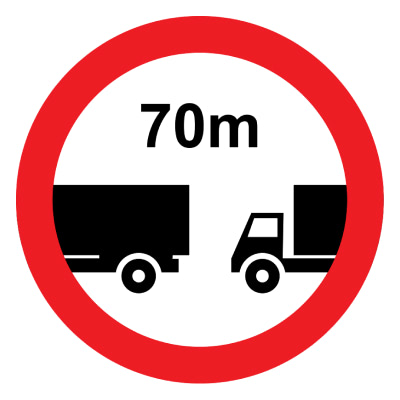
Minimum safe following distance between vehicles
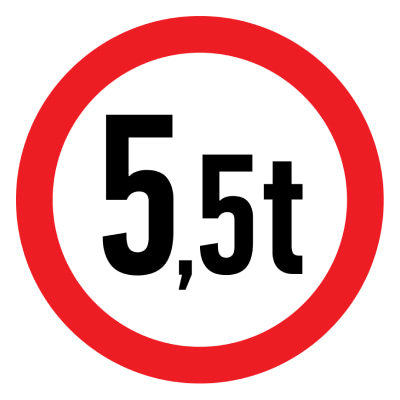
Maximum weight
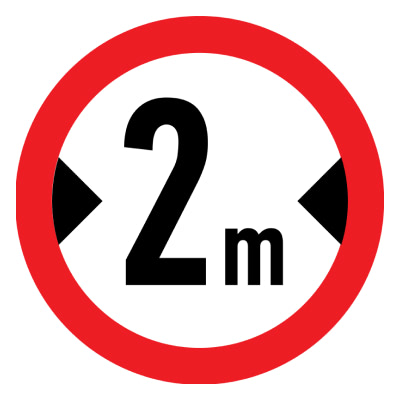
Maximum width
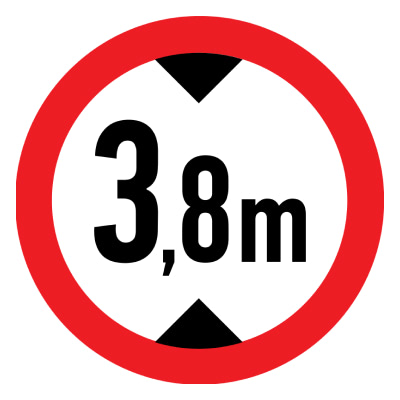
Maximum height
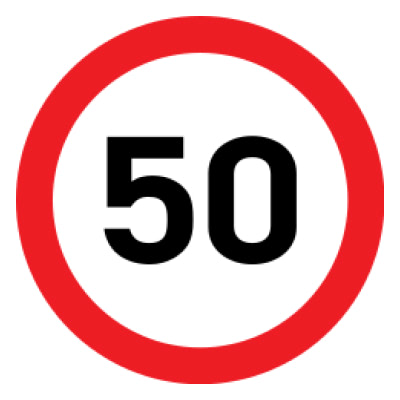
Maximum speed
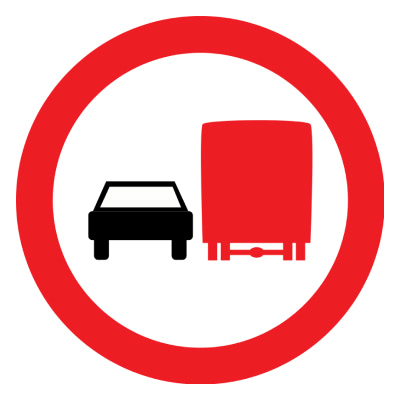
No overtaking by heavy vehicles
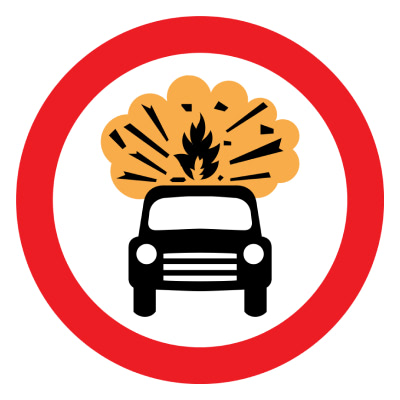
No vehicles carrying explosives
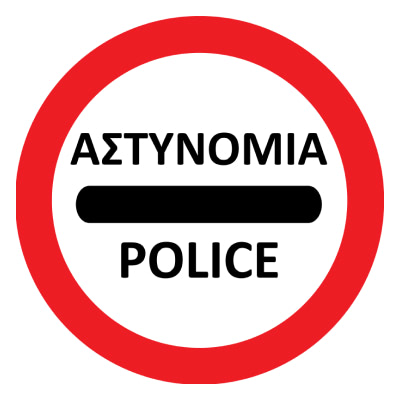
Stop – police
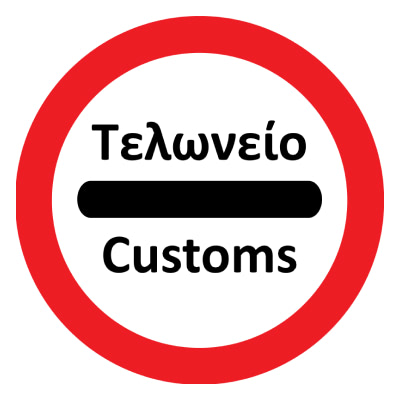
Stop – customs
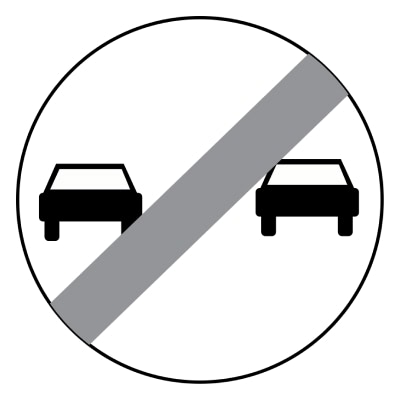
End of no overtaking
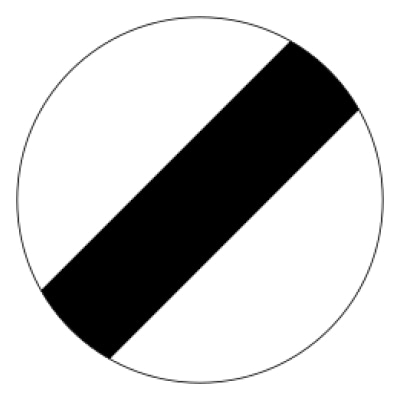
End of all restrictions
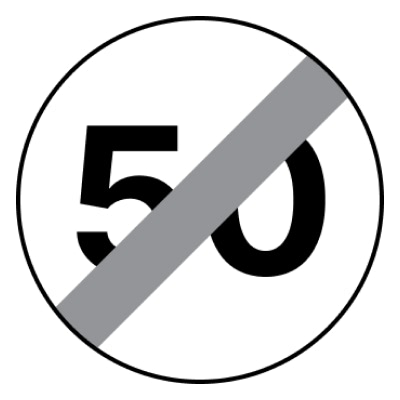
End of maximum speed limit
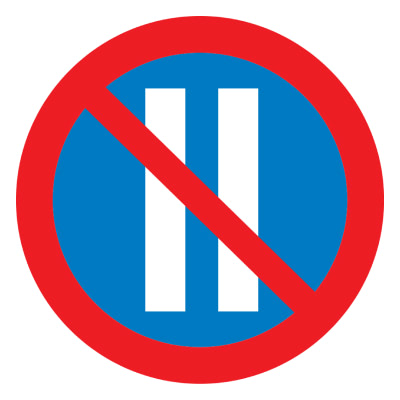
No parking on even dates
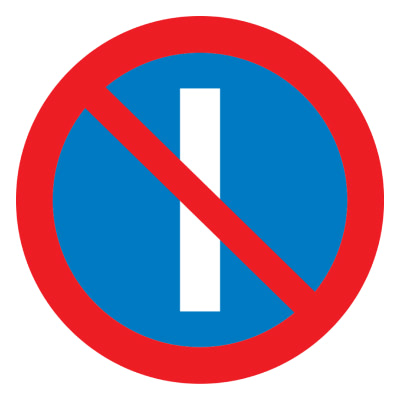
No parking on odd dates
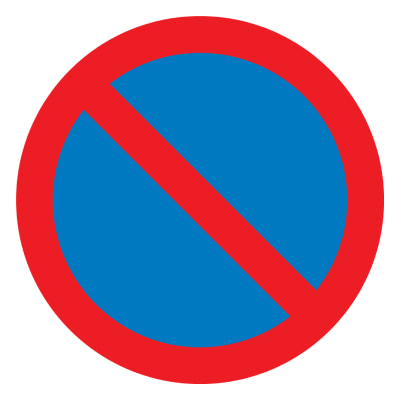
No parking or waiting
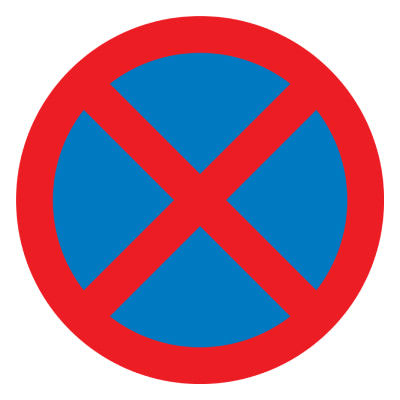
No stopping
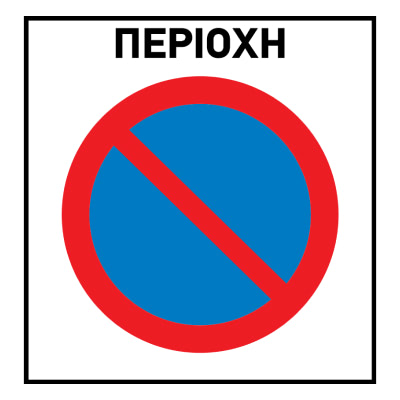
No parking zone
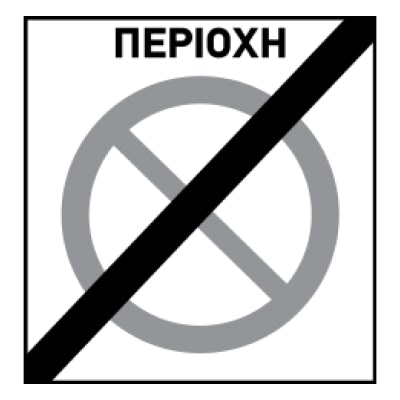
End of no parking zone
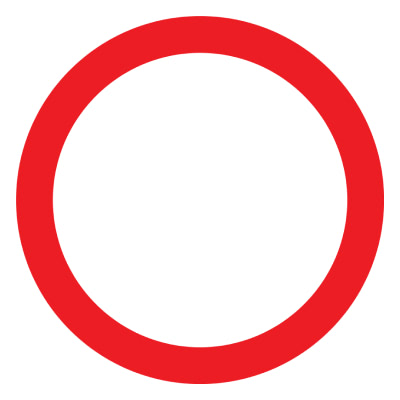
No vehicles
Mostly circles with a red border that tell you what you must not do, such as enter, overtake, park or go above a speed limit
Road markings
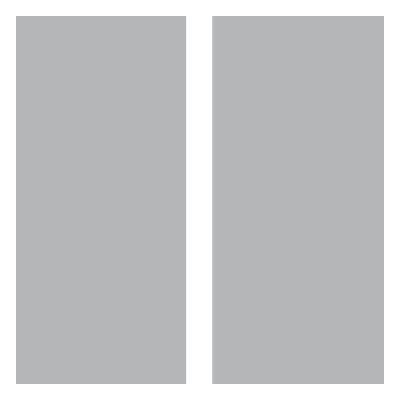
No overtaking
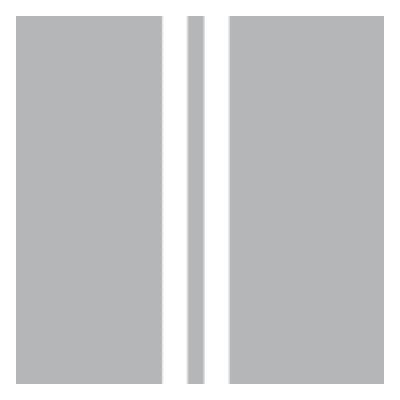
No overtaking

Overtaking is allowed from right
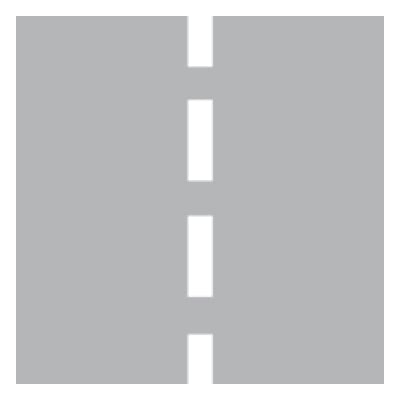
Overtaking is allowed
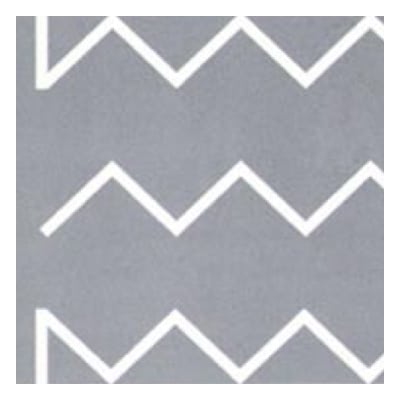
No parking or waiting or overtaking

Side line of carriageway no parking
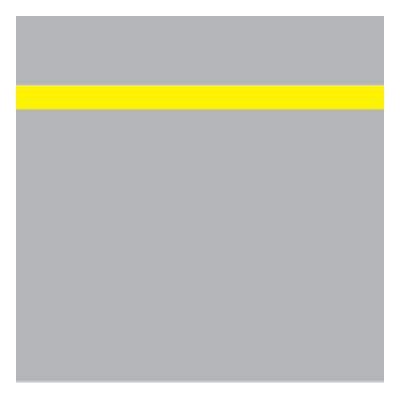
Side line of carriageway no parking
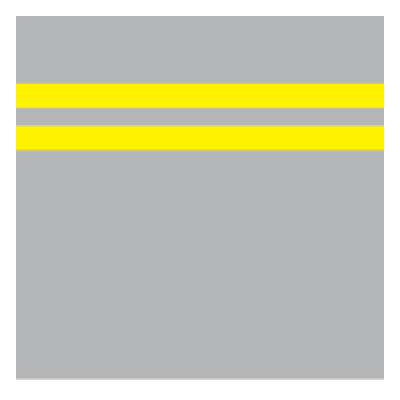
Side line of carriageway no parking or stopping

Other entrances or exits on the left side
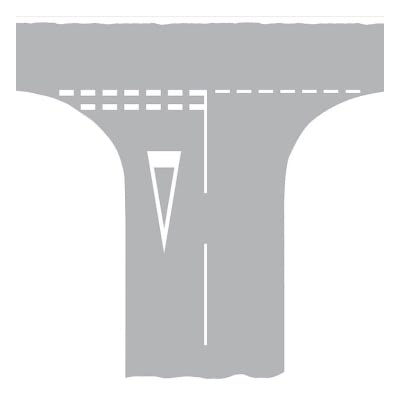
Give way to traffic on main road
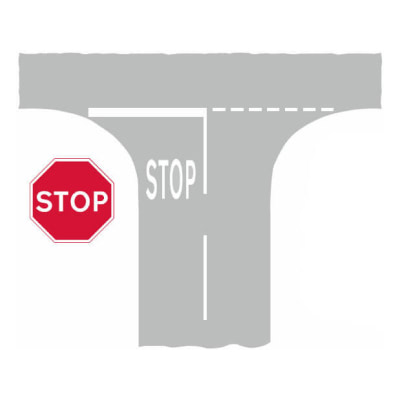
Stop and give way
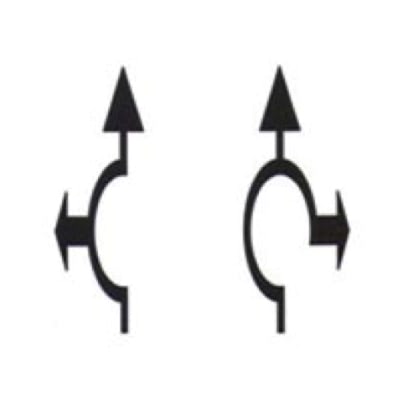
Directions on roundabout
Lines painted on the road that show where you may overtake, where you may not park and where you must stop or give way
Signals by authorised persons
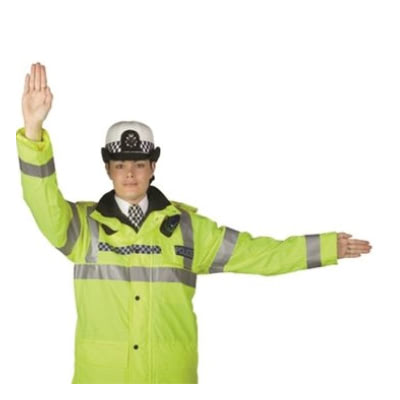
Stop for traffic approaching from both front and behind
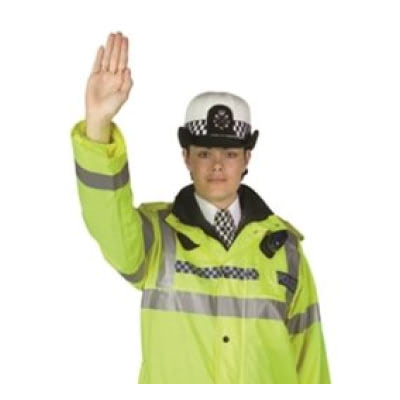
Stop for traffic approaching from the front
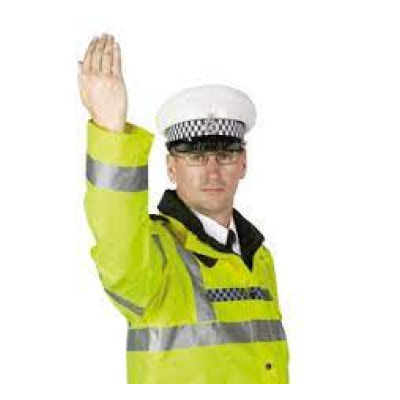
Proceed to traffic approaching from the side
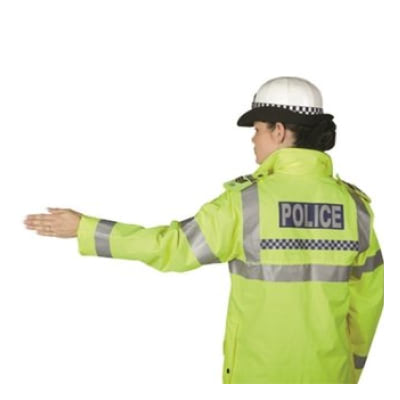
Stop for traffic approaching from the behind
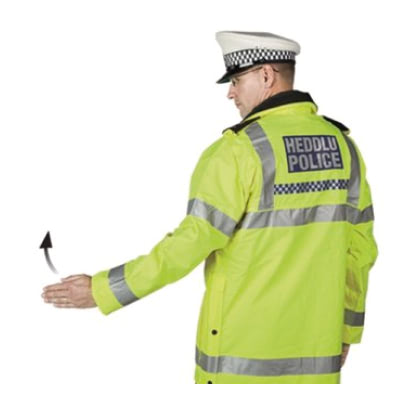
Proceed to traffic approaching from the behind
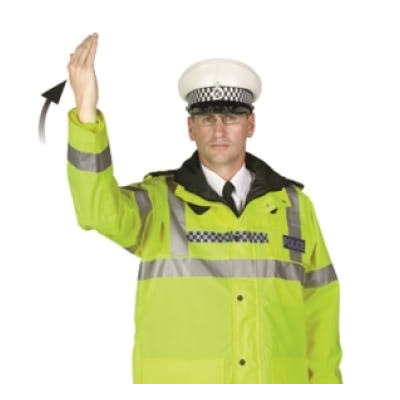
Proceed to traffic approaching from the front
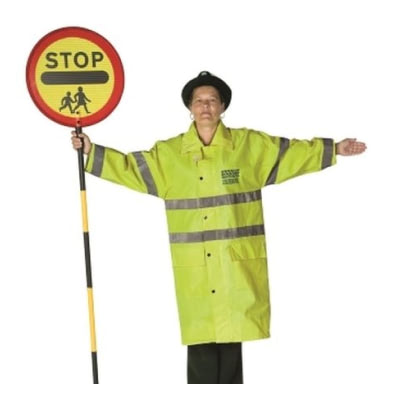
Stop for all traffic
Hand signals from police officers and other authorised persons, which you follow even when traffic lights or signs show something else
Additional markings
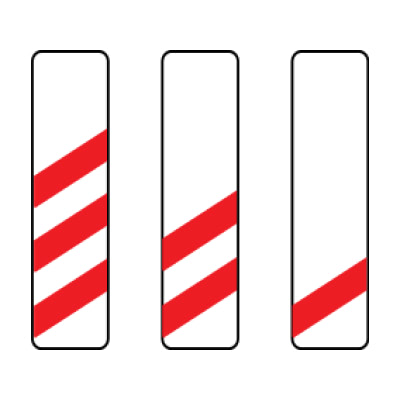
Distance to level crossing
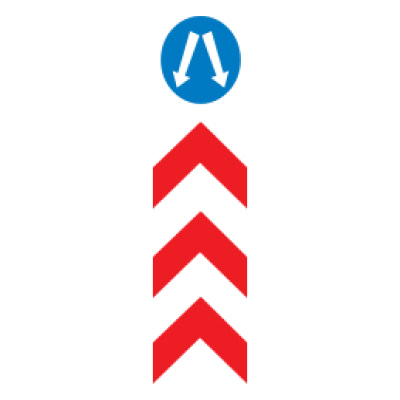
Obstacle

Obstacle left
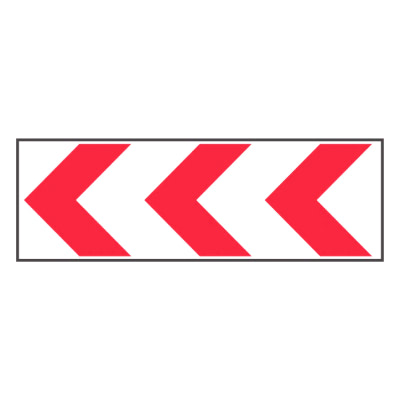
Temporary sharp deviation
Extra markers that point out obstacles, sharp deviations and the distance to a level crossing
About Cyprus road signs
The Cyprus theory exam is oral: the examiner shows you road signs and you say what each one means. The examiner chooses the signs, so learn all of them. Study them here or download the free printable PDF of all Cyprus traffic signs, then test yourself with the free road signs test.
Here are all 145 road signs in Cyprus with their meanings, grouped into eight categories. Warning signs alert you to a hazard ahead, prohibitory signs tell you what you must not do, mandatory signs tell you what you must do, and priority signs show who goes first. Information signs guide you, and the last sections cover road markings, extra markers and the hand signals of police officers.
Free · all 145 signs on A4 · no sign-up needed
Frequently Asked Questions
What are the main types of road signs in Cyprus?
Warning signs (mostly red-bordered triangles), prohibitory signs (mostly red-bordered circles), mandatory signs (mostly blue circles), priority signs such as Stop and Give way, and information signs. You also need to know road markings and the hand signals of police officers.
How does the Cyprus road signs exam work?
The theory exam in Cyprus is oral. The examiner shows you road signs and you say what each one means, in Greek or English. The examiner chooses the signs, so you need to know all of them.
Can I download the Cyprus road signs as a PDF?
Yes. Download the free printable PDF on this page: all 145 Cyprus traffic signs on A4 pages, grouped by category, with each name in English and Greek. You do not need to sign up.
How do I know I am ready for the signs exam?
Test yourself. The free road signs test shows you real Cyprus signs and tells you instantly which ones you get wrong. When you can name every sign without hesitating, you are ready.
Can I learn the road signs in Greek?
Yes. Switch the language at the top of the page to see every sign in Greek, or download the PDF, which shows each name in both languages. You can take the exam in Greek or English.
Think you know these signs?
Take the free test and instantly see which ones you would get wrong on exam day
Take the free testFree · 2 minutes · no sign-up needed